
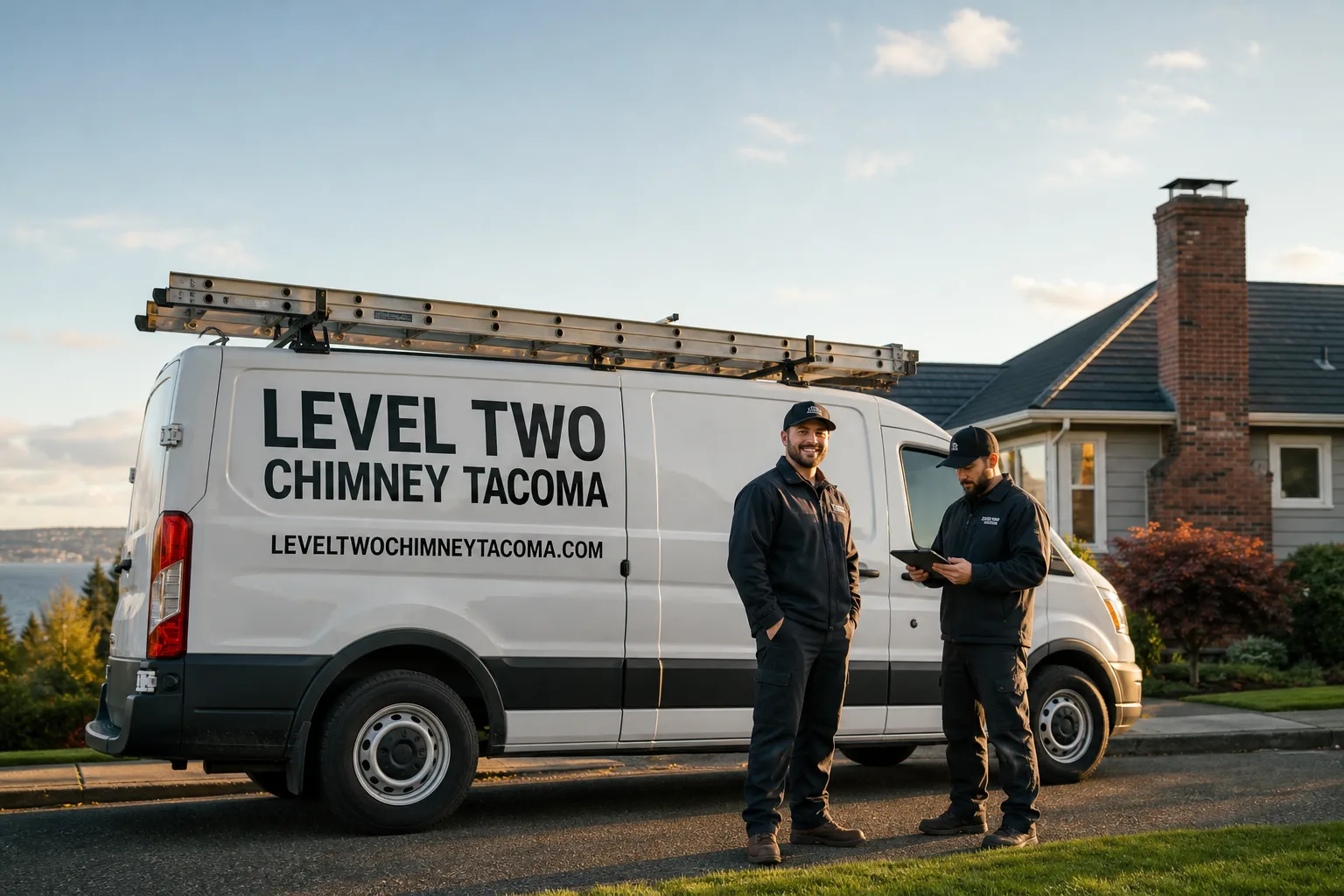
Level 1 sweep and inspection to the NFPA 211 annual standard - flue, crown, cap, and flashing checked and photographed
Chimney sweep logs do not sweep chimneys. They loosen some creosote - which then falls where a brush and vacuum still have to collect it.
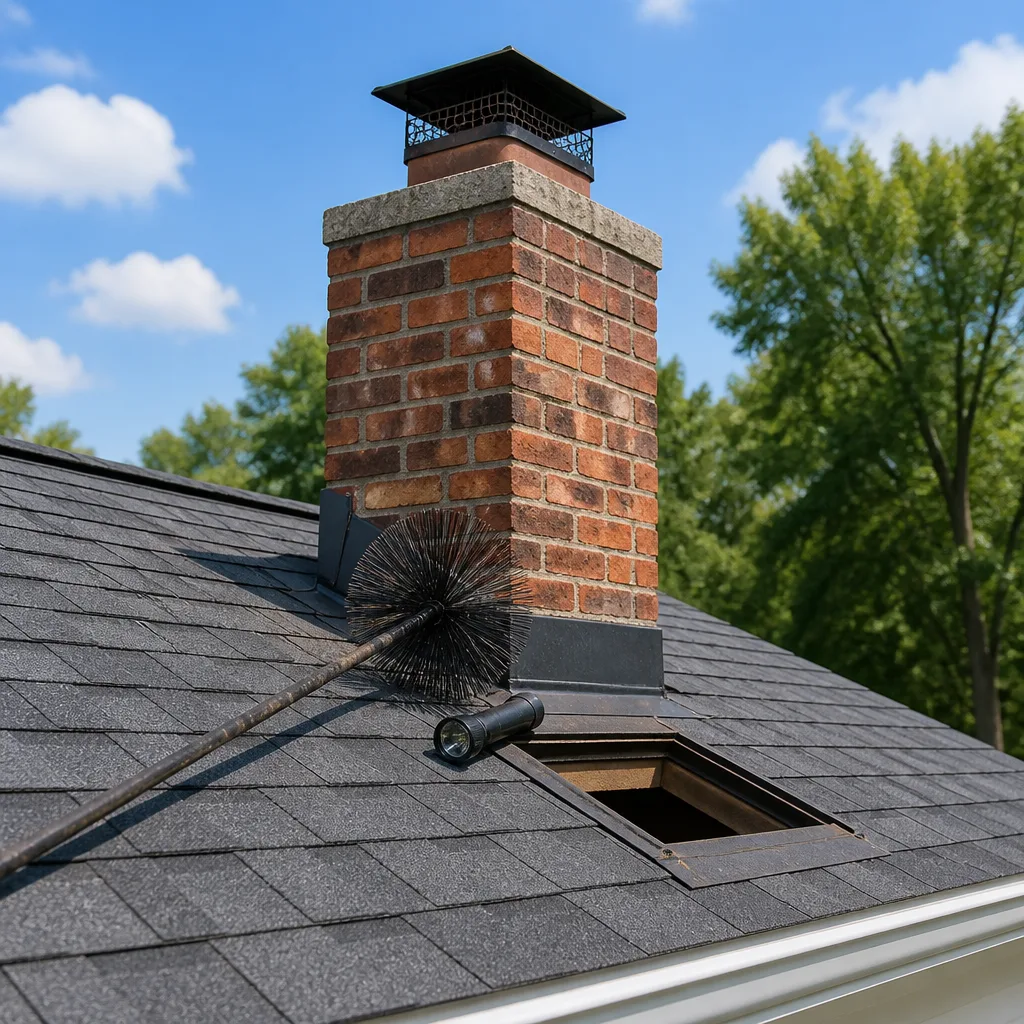
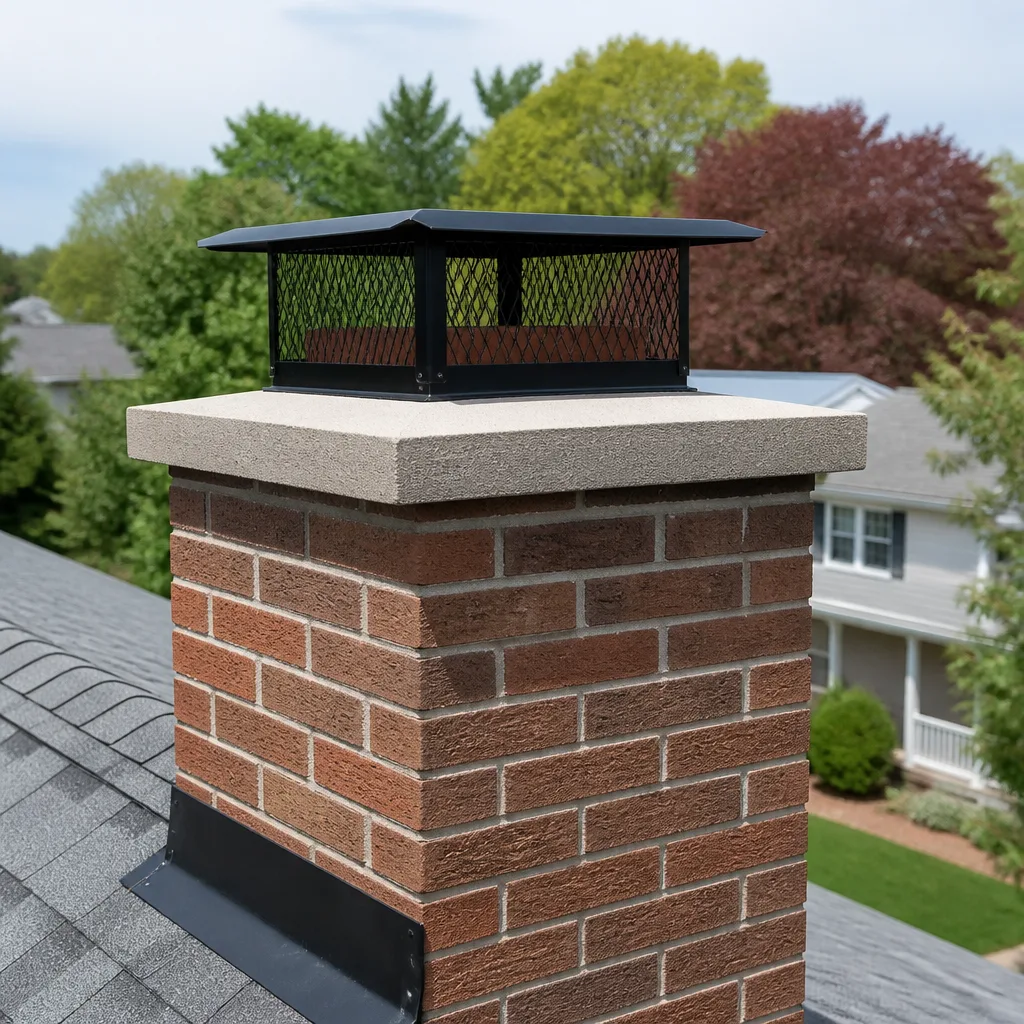
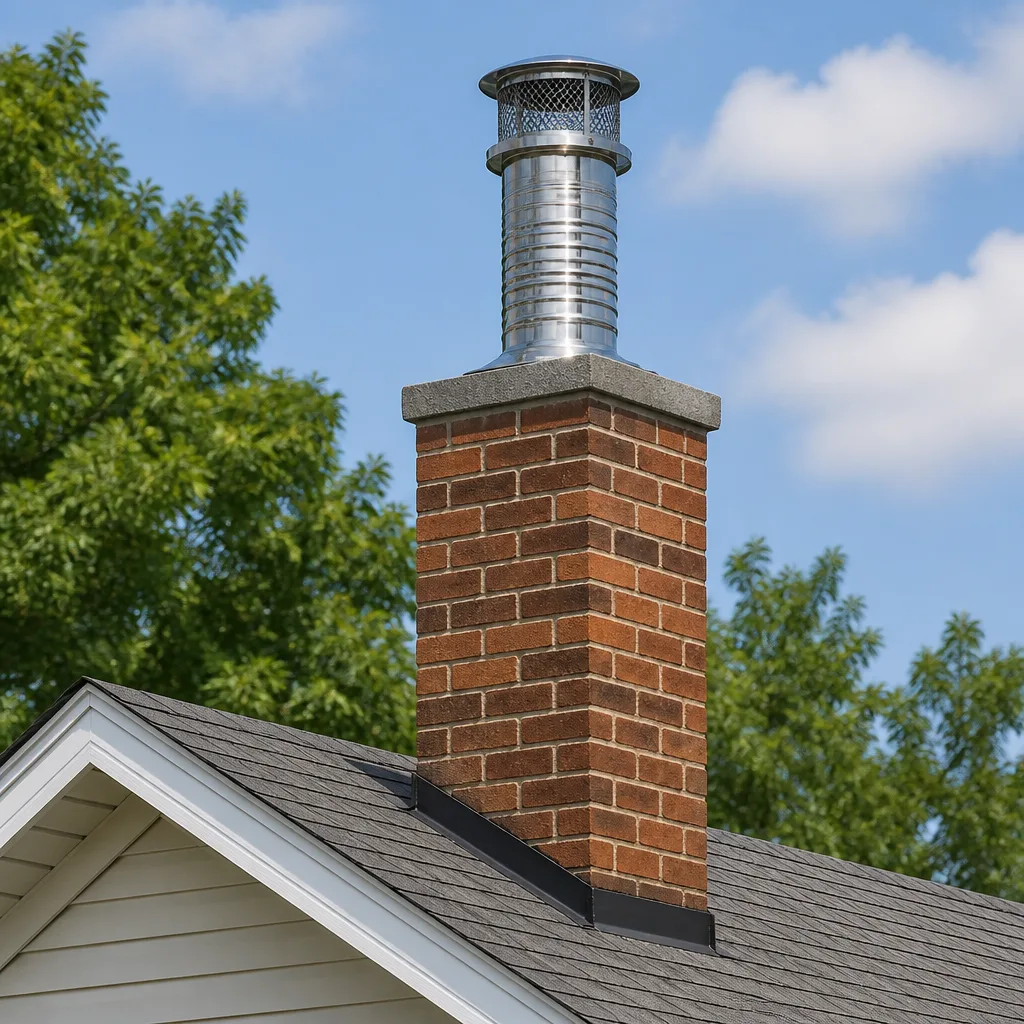
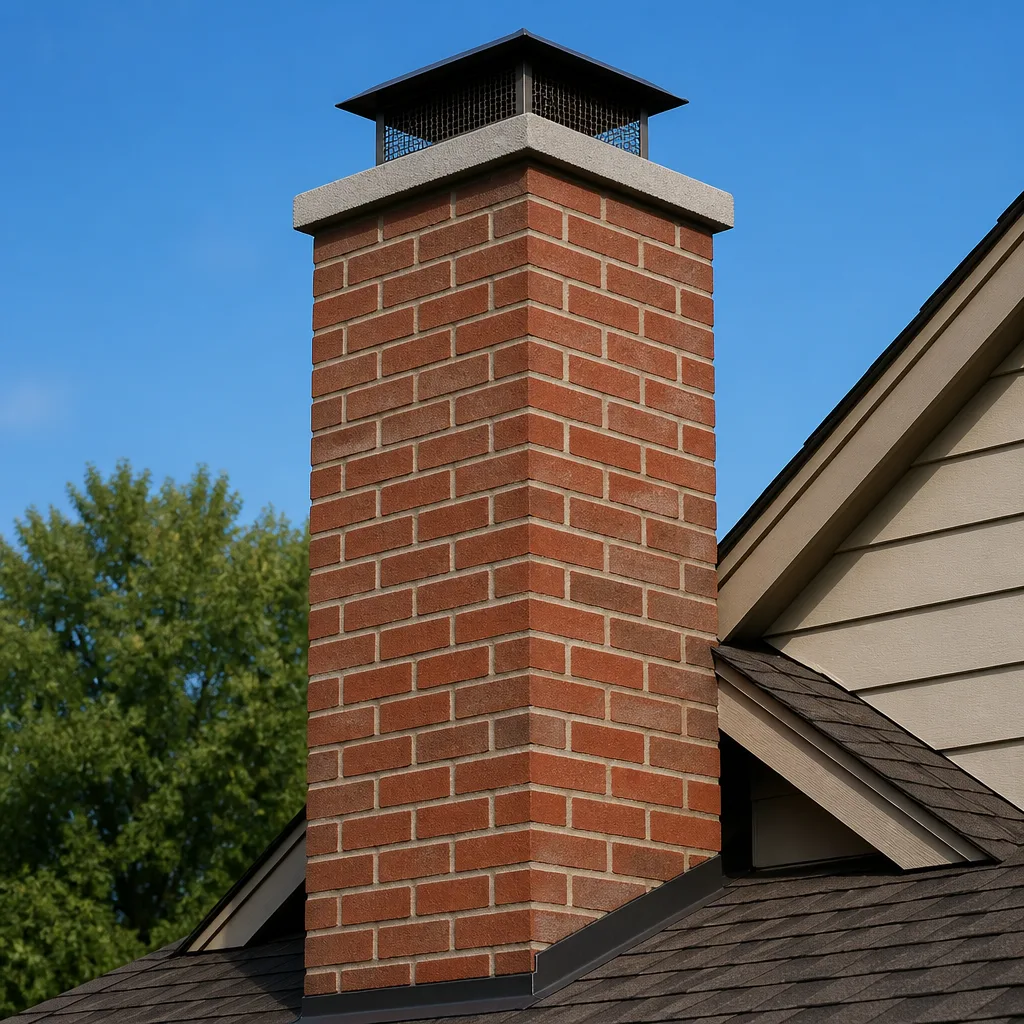
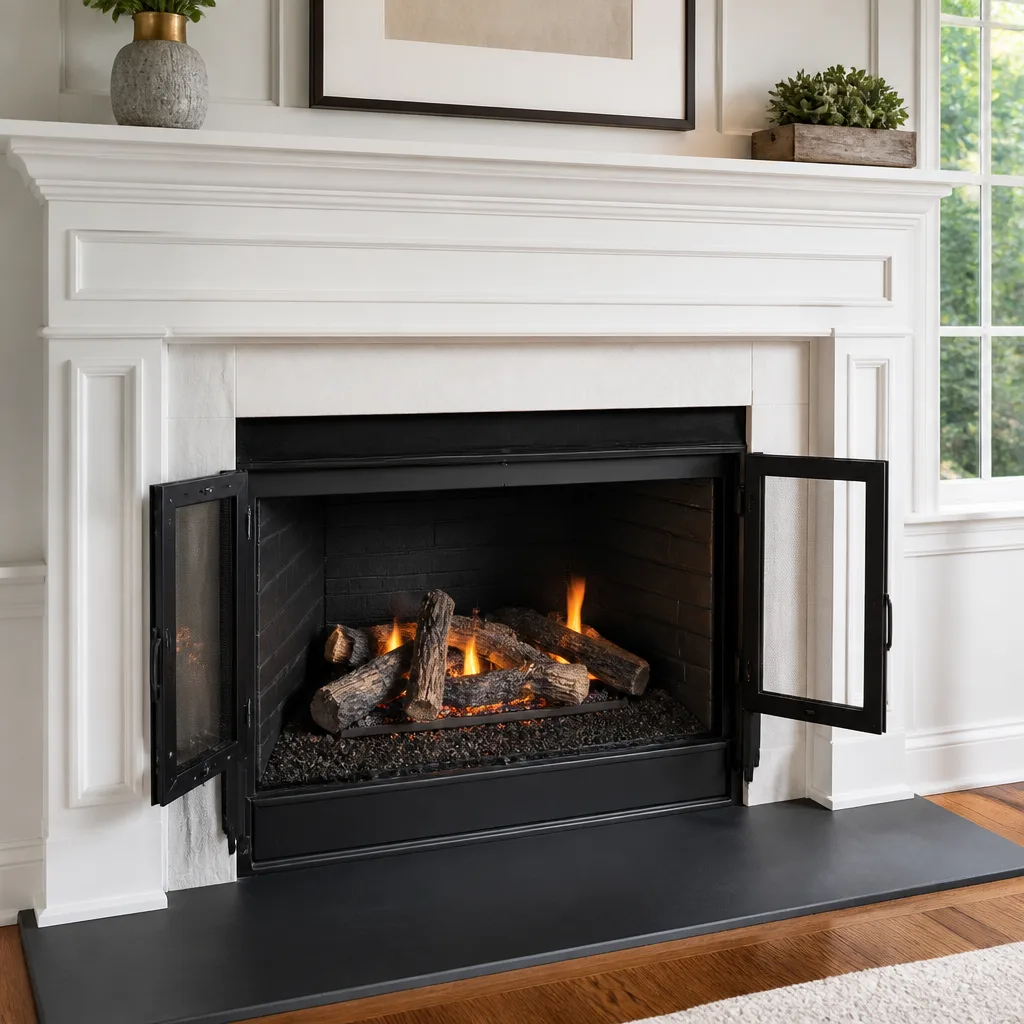
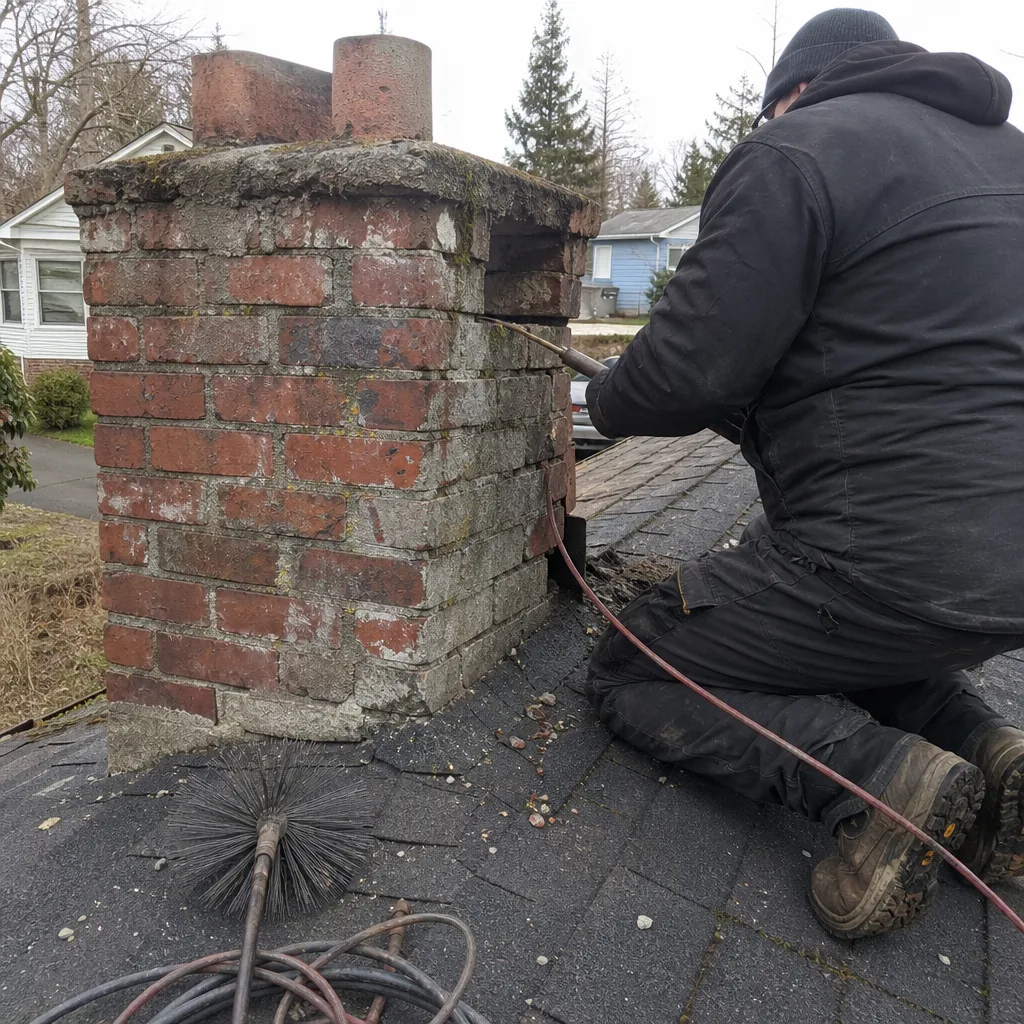 Before
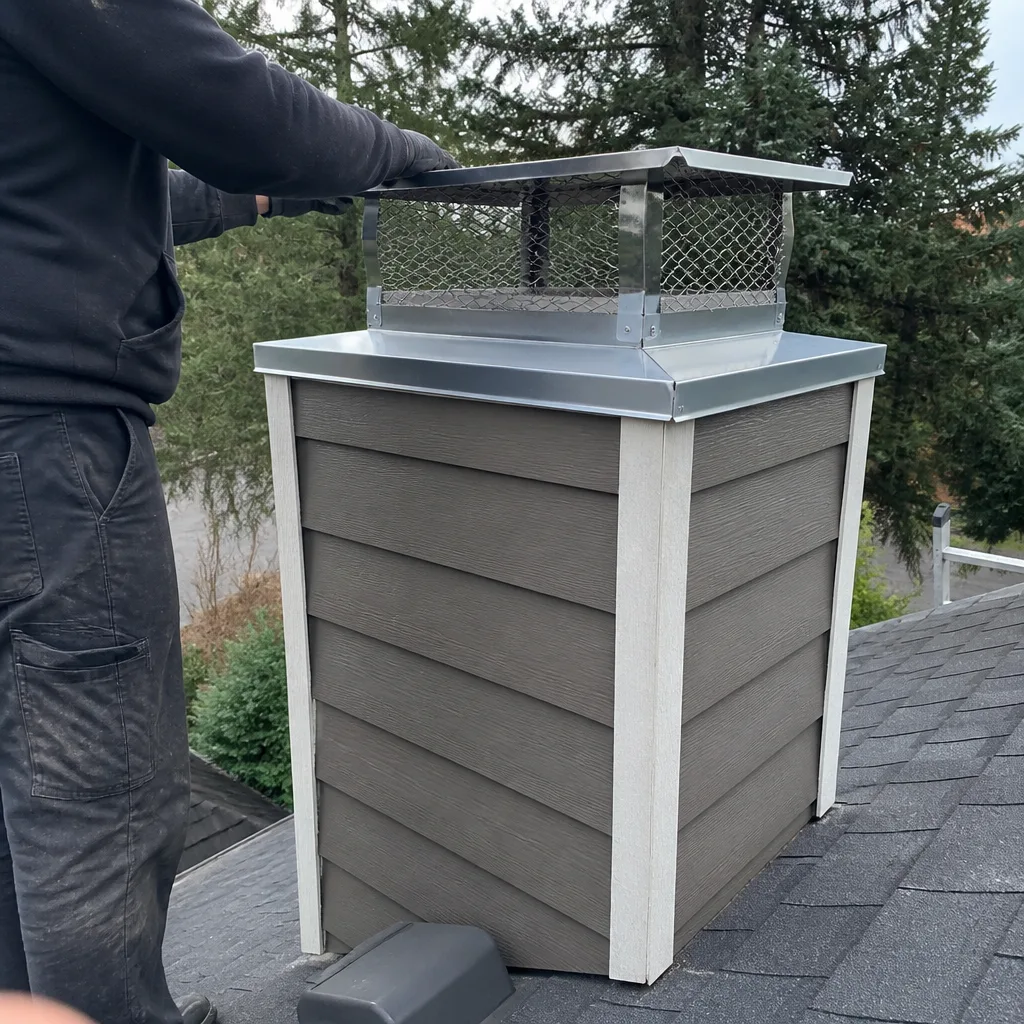 After
After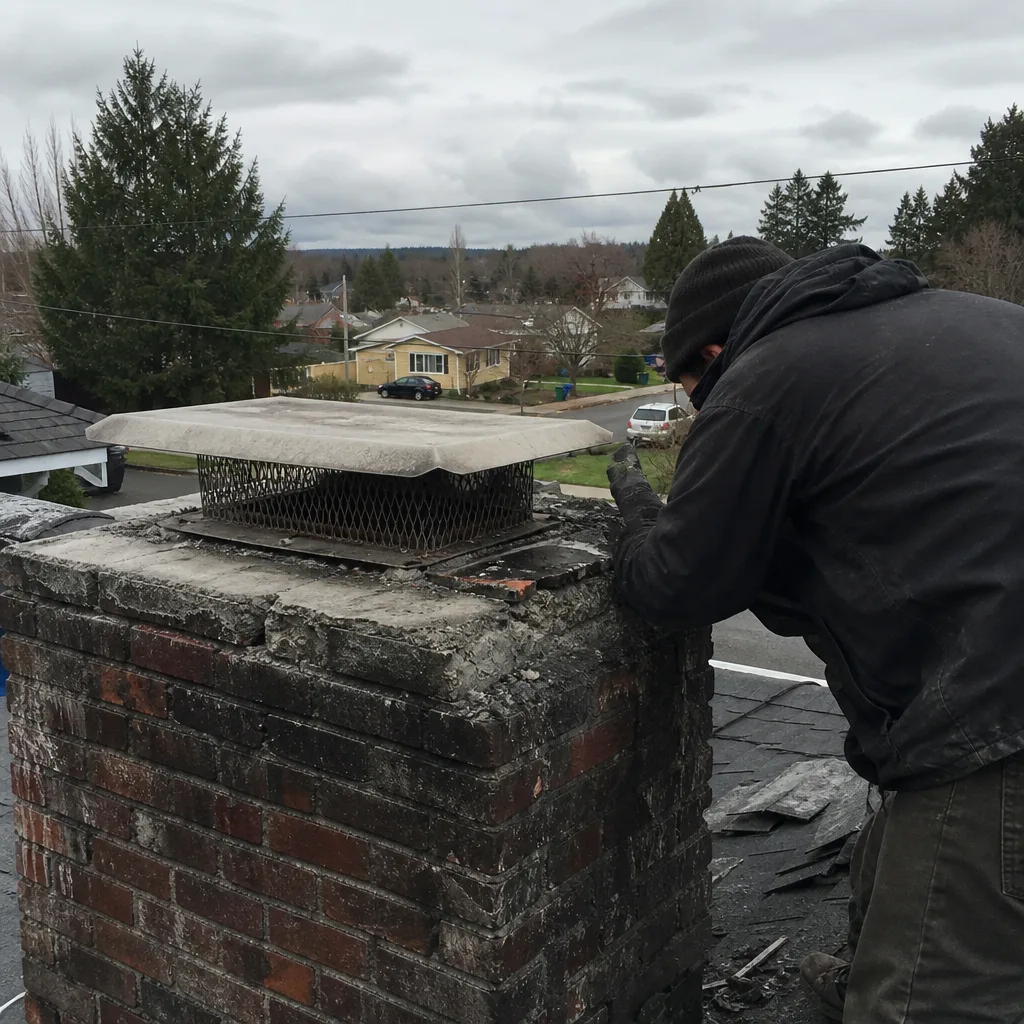 Before
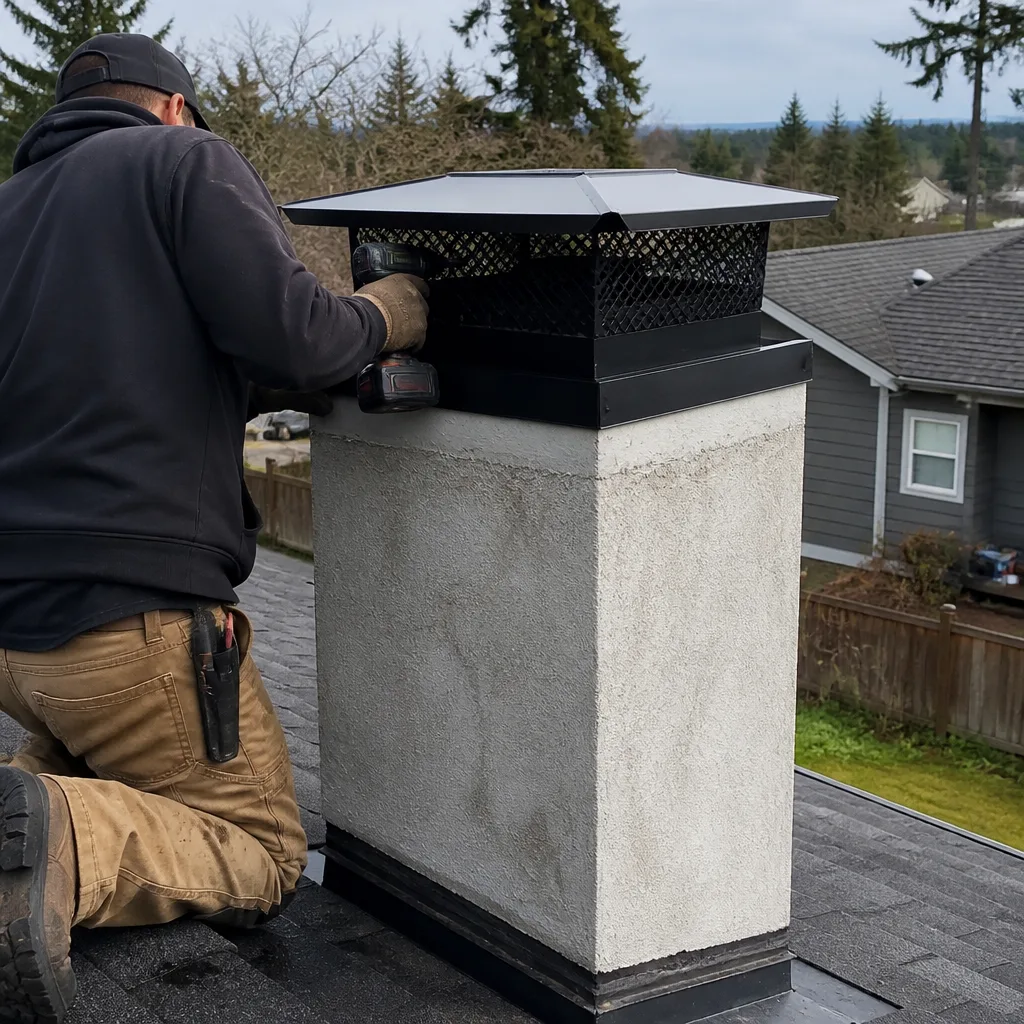 After
After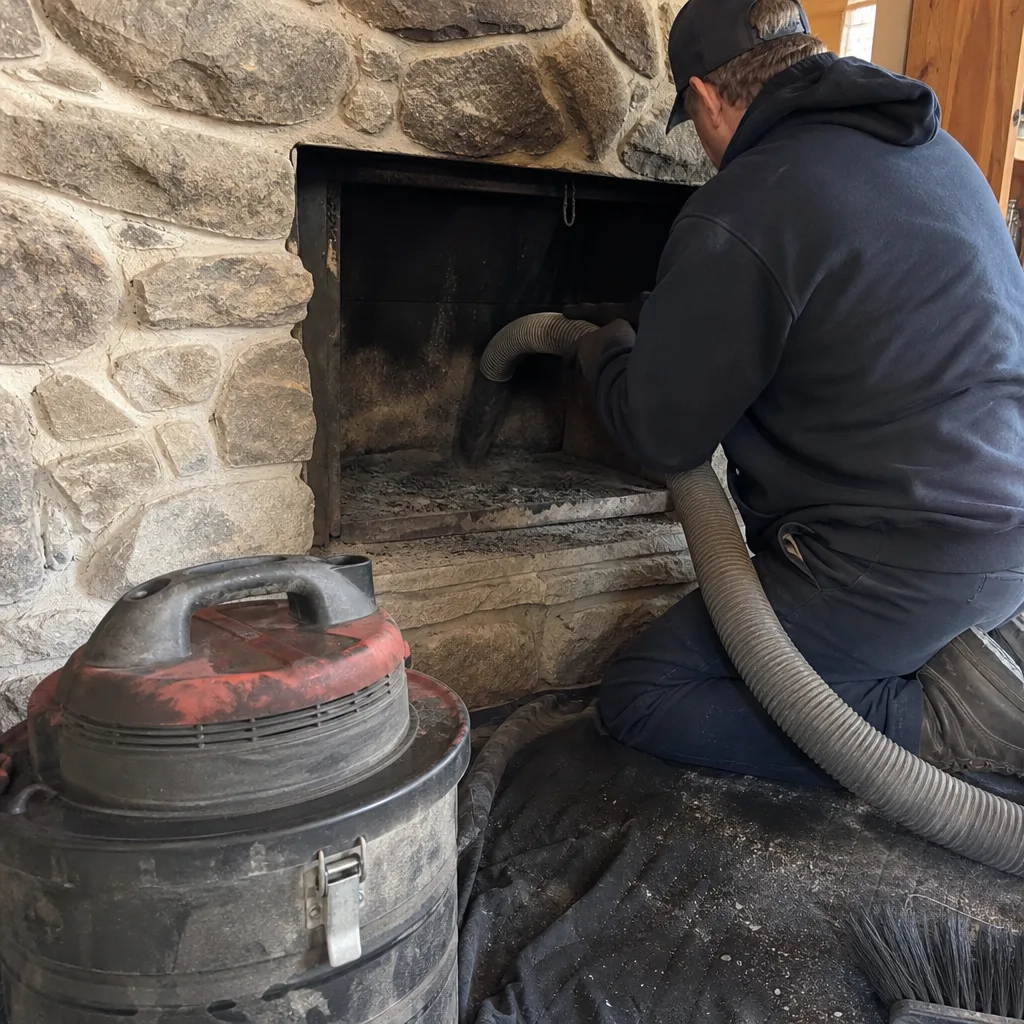 Before
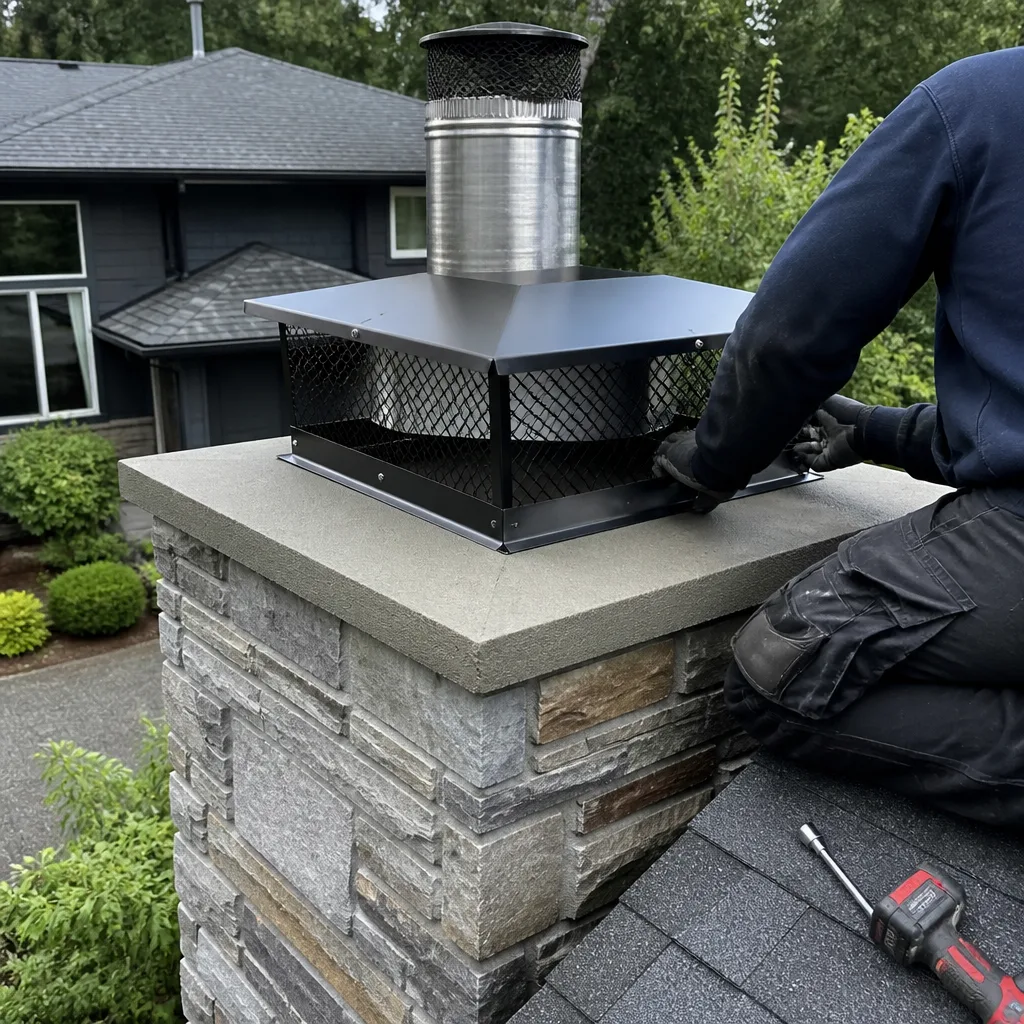 After
AfterFast, Reliable Dryer Vent Cleaning Across SeaTac
Dryer vent cleaning in SeaTac typically costs $149-$289 for a standard single-family home, with most jobs completed in 60-90 minutes and a written price delivered before any work starts. We’re familiar with the specific venting problems that plague SeaTac homes, from the salt-corroded hoods along Puget Sound to the negative-pressure issues in Sound Insulation Program retrofits near the airport corridor. Our crews serve SeaTac locally, with dispatch and scheduling coordinated from our Seattle office. Call (253) 447-5982 for a free estimate.
Why Emberly Chimney Cleaners Tacoma Is SeaTac’s Preferred Dryer Vent Cleaning Company
We’ve worked the mid-century tract homes off South 176th Street, the long-term rentals along International Boulevard, and the retrofitted properties in the airport noise contours. That local repetition matters. A dryer vent in a 1964 SeaTac rambler fails differently than one in a new-build Federal Way subdivision, and we don’t waste your time rediscovering what we already know.
Our SeaTac customers leave reviews that mention the same things: the tech showed the camera footage, the price was written and fixed before work started, and the dryer actually dried in one cycle afterward. We don’t chase stars; we document what we found and what we did about it.
Response time to SeaTac is same-week for standard bookings, with live phone support 24 hours a day, 7 days a week. You’ll get a text when your technician is en route, a name and license number, and a uniformed crew who’ve passed background checks.
Our Dryer Vent Cleaning team carries the Haven Standard on every SeaTac visit: written price, written scope, written warranty, and a documented photo record under Clause 4.
Our Dryer Vent Cleaning Services in SeaTac
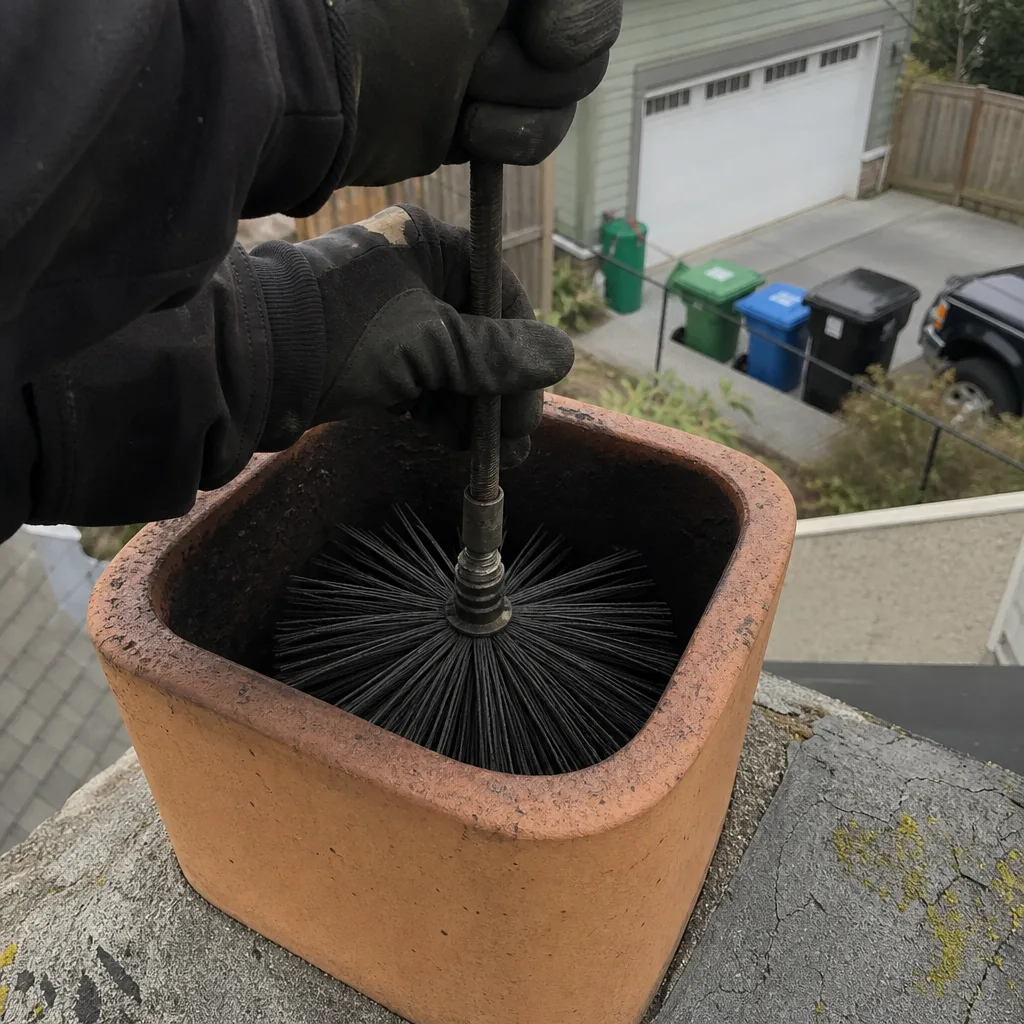
Full-Run Dryer Vent Rodding and Lint Extraction
We rod the complete vent run from the dryer transition to the exterior hood, pulling packed lint by mechanical agitation and high-velocity air. In SeaTac’s long-term rental stock near the airport corridor, we regularly find flex runs that haven’t been touched in five or more seasons. The lint cakes hard in the damp Pacific Northwest climate, and the transition elbow behind the unit packs solid first. We extract it, camera the run if the build is severe, and give you the photo record before we leave.
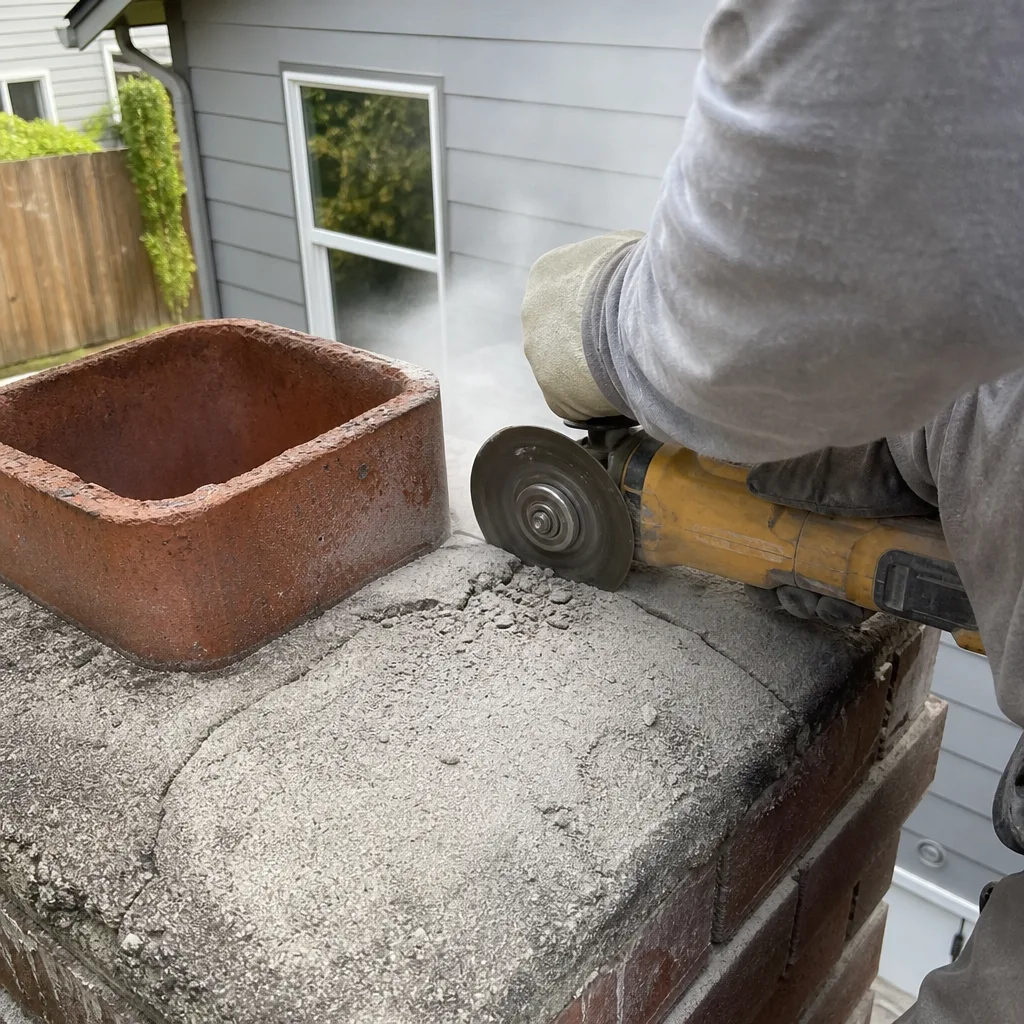
Exterior Vent Hood and Damper Replacement
SeaTac’s marine exposure destroys galvanised steel. We’ve replaced hoods on homes west of Highway 99 that were installed three years prior and already showed through-rust. We stock stainless hoods and dampers rated for salt-air environments, sourced through our buying network from Olympia Chimney and Famco. The upgrade costs more upfront than a galvanised replacement, but the lifespan difference in SeaTac’s conditions is measurable in years, not months. We document the existing corrosion, quote the stainless upgrade in writing, and install same-visit if you approve.
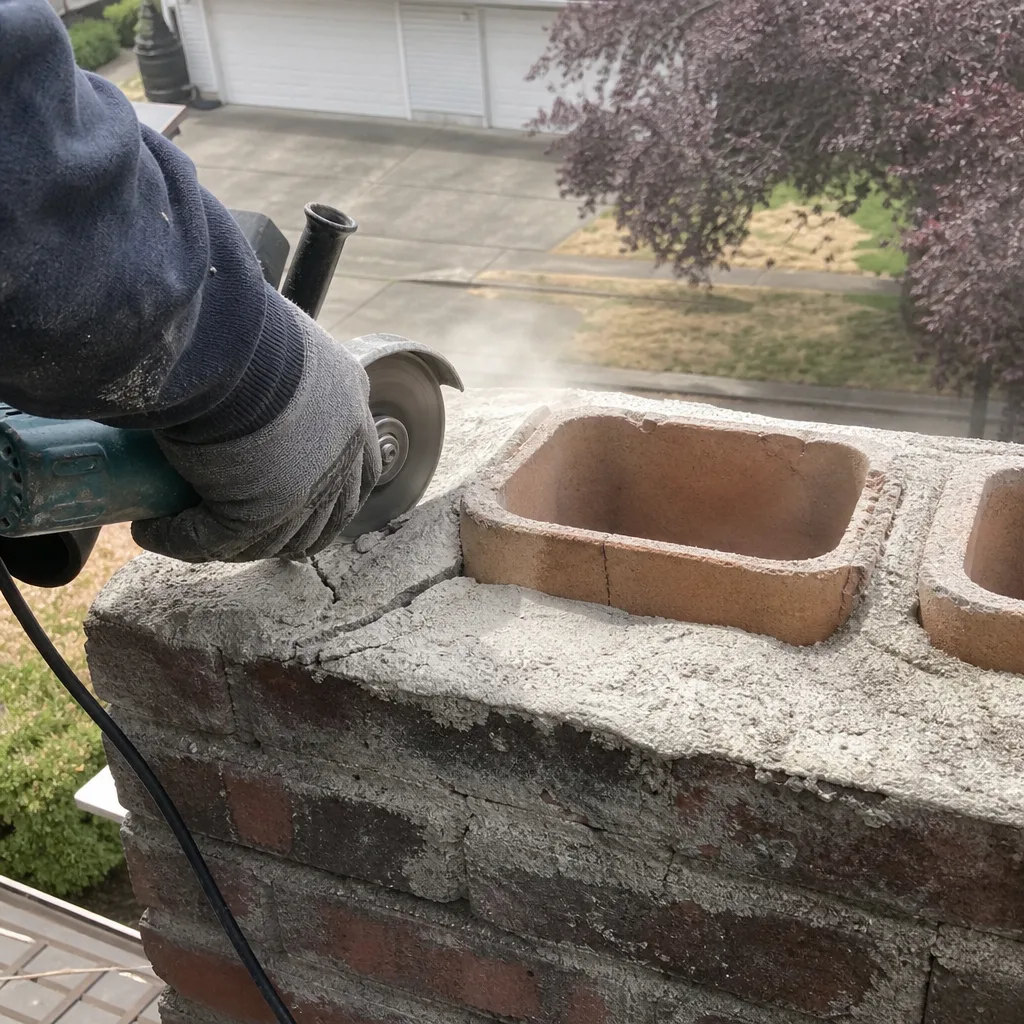
Combustion-Air and Pressure Assessment for Sound-Insulated Homes
This is the service that separates a SeaTac-specific operation from a generic duct cleaner. The Port of Seattle’s Sound Insulation Program retrofitted hundreds of SeaTac homes with airtight windows, doors, and added insulation to meet FAA noise-mitigation requirements. The building envelope tightened dramatically. Laundry rooms that once leaked air through every gap now seal tight, and the dryer exhausts against negative pressure with no make-up air source. The vent run never fully clears. Lint packs the transition elbow even after a “clean” vent. We measure the pressure differential, identify the make-up air deficit, and document whether the venting problem is mechanical (packed lint) or architectural (sealed room). Sometimes both.
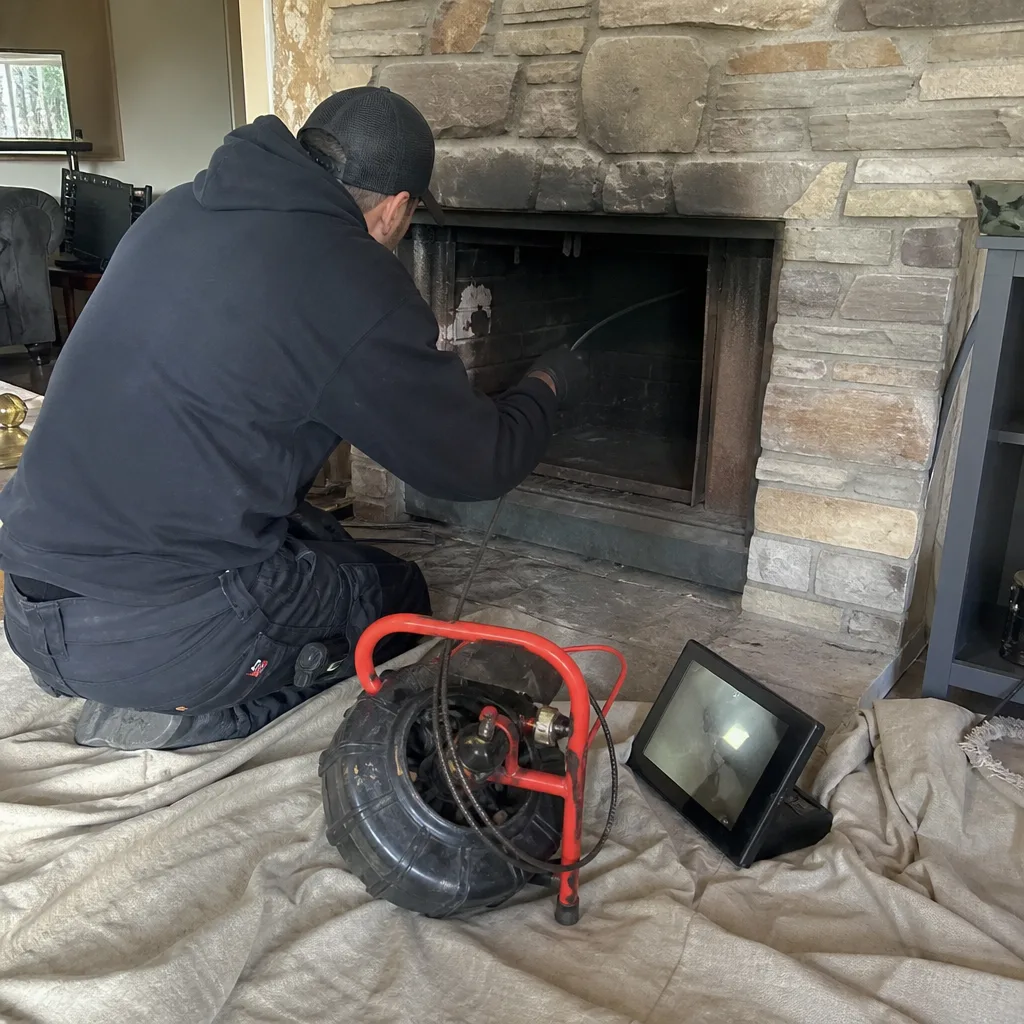
Dryer Transition Hose Replacement and Proper Routing
The foil flex behind your dryer crushes against the wall, kinks at the elbow, and traps lint in the first 18 inches. In SeaTac’s rental-heavy market, we’ve seen transitions routed through cabinetry, extended with duct tape, or replaced by tenants with vinyl hose that’s not rated for heat. We install smooth-wall aluminum or rigid galvanized transition pipe, properly supported, with the correct length and bend radius. It’s a small detail that prevents the re-clog we get called back for six months later.
What happens when you call
- 1
A real person answersNo phone trees - you reach a local pro.
- 2
You get an upfront price rangeHonest numbers before anyone is dispatched.
- 3
A background-checked tech heads outLicensed & insured, dispatched right away.
- 4
You approve before work beginsNothing starts until you say go.
BeforeAfterTrusted Brands We Service in SeaTac
We source replacement hoods, dampers, and rigid venting through Haven’s buying network from Olympia Chimney, Famco, and DuraFlex, procured specifically to keep customer prices honest. For SeaTac’s salt-air exposure, we specify stainless components from these manufacturers rather than the galvanised stock that fails prematurely here. Parts are carried on our service vehicles, so most SeaTac hood replacements don’t require a return visit. If your configuration needs something custom, we order through the network and schedule completion within the week.
Common Dryer Vent Cleaning Problems We See in SeaTac Homes
- Sound Insulation Program negative pressure. The retrofit sealed the laundry without adding make-up air. Your dryer pulls against vacuum. The vent run never fully purges. Lint packs the transition elbow even after a “clean” vent. We measure pressure and document the deficit.
- Marine salt corrosion of galvanised hoods. SeaTac’s salt air off Puget Sound eats galvanised steel three times faster than inland metro areas. Hoods rust through, dampers stick open, and pests enter the run. We upgrade to stainless and show you the difference.
- Deferred maintenance in long-term rentals. Properties near the airport corridor turn over tenants without servicing ducts. Moist, lint-caked flex runs grow mold. Warm damp air backs into the laundry. Tenants blame the dryer. We rod the run and show the landlord the photo record.
- Crushed foil transitions and improper routing. The flex behind the unit gets kicked, kinked, or extended with hardware-store solutions that trap lint at the first bend. We replace with rigid, properly routed pipe and document the before and after airflow.
Pricing for Dryer Vent Cleaning in SeaTac, WA
| Service | Typical Range in SeaTac |
|---|---|
| Standard dryer vent cleaning (single-family, single run) | $149 - $219 |
| Multi-unit or extended run (over 25 feet, multiple bends) | $219 - $289 |
| Exterior hood replacement (stainless upgrade) | $89 - $179 (hood + labor) |
| Transition hose replacement with rigid pipe | $49 - $89 |
| Pressure assessment and combustion-air evaluation | $79 - $129 (when added to cleaning) |
What moves you within these ranges: run length and number of bends, severity of lint compaction, accessibility of the exterior hood, and whether the Sound Insulation Program retrofit requires pressure testing. We deliver a written price before any work starts, with the scope and warranty in the same document. No exceptions. Estimates are free. Call (253) 447-5982.
We Also Serve Cities Near SeaTac
Our crews work SeaTac regularly and also cover Tacoma, Midland, Milton, and Federal Way. Each city gets the same Haven Standard: written price first, documented photo record, and the 365-Day Done Right Promise. Scheduling is coordinated from our Seattle office with local dispatch to your area.
Serving SeaTac, WA - Our Local Coverage Area
We’re based in the SeaTac area and know this community well. Use the map below to see our service coverage - if you’re nearby, we can almost certainly help.
FAQs - Dryer Vent Cleaning in SeaTac
The Sound Insulation Program likely sealed your laundry room too tight. If the vent was rodded but the room lacks make-up air, the dryer exhausts against negative pressure and the moist air never fully clears. We measure the pressure differential and document whether the problem is packed lint, sealed architecture, or both. Call (253) 447-5982 for an exact diagnosis - estimates are free.
Annually for most SeaTac homes, and every six months if you dry heavy fabrics frequently or have a long vent run with multiple bends. The damp marine climate here packs lint tighter than drier inland climates, and the low smoldering fires that SeaTac residents favor for winter heat don’t help - the same households that burn wet wood tend to overload dryers with heavy, slow-drying loads. Call (253) 447-5982 to book.
Yes, if it’s galvanised steel. SeaTac’s salt air off Puget Sound accelerates corrosion beyond the manufacturer’s inland lifespan. We replace failing hoods with stainless components rated for marine exposure, sourced from Olympia Chimney and Famco. The upgrade costs more upfront but the lifespan difference is years. We’ll show you the corrosion on camera and quote both options in writing.
Absolutely. The Sound Insulation Program retrofitted hundreds of SeaTac homes with airtight windows and doors without adding make-up air sources. Your dryer is a powerful exhaust fan pulling against a sealed box. The vent run never fully clears, lint packs the transition elbow, and damp air recirculates into the house. We assess pressure and document the deficit. Cleaning alone won’t fix an architectural problem. Call (253) 447-5982 for a pressure assessment.
Yes. Lint is highly combustible, and the restricted airflow from a packed vent raises operating temperatures. In SeaTac’s long-term rental stock, where ducts go years unserviced, the risk compounds with aged electrical connections and overloaded circuits. We don’t scare-sell. We show you the lint load on camera, measure airflow before and after, and give you a written record. If the hazard is real, you’ll see it. Call (253) 447-5982 for a free estimate.
We were pulling a clogged dryer run in a 1962 tract house off South 176th Street near the airport corridor when our tech noticed the exterior vent hood was barely moving a tissue - the Sound Insulation Program windows had sealed the laundry so tight that make-up air couldn’t replace what the dryer was exhausting. We rodded out two seasons of packed lint, cleared the crushed foil transition behind the unit, and swapped the failing galvanised hood for a stainless one rated for the constant marine damp. The homeowner’s dryer cycle time dropped the same visit, and she finally stopped finding lint film on the laundry-room walls.
In SeaTac’s airport noise-contour zones, the Port of Seattle’s Sound Insulation Program sealed hundreds of mid-century homes so tightly that a dryer vent discharging into a laundry room now pushes lint-damp air back through the house instead of outdoors - a pressure problem that doesn’t exist in neighboring cities whose homes never got the retrofit. If your SeaTac home was retrofitted and your dryer still underperforms after a standard cleaning, the vent run may be clear while the room itself is suffocating the appliance. We test for this. We document it. And we tell you what it costs to fix before anyone picks up a tool.
Written by Corrine Halstead, Owner at Emberly Chimney Cleaners Tacoma, serving SeaTac since 2009 under the Haven Standard.